LIVEBLOG – (1) Read more
Welcome to our new website. You can buy tickets and find traffic information as before, and we would love to hear what you think – Read more
Tips for your Interrail trip

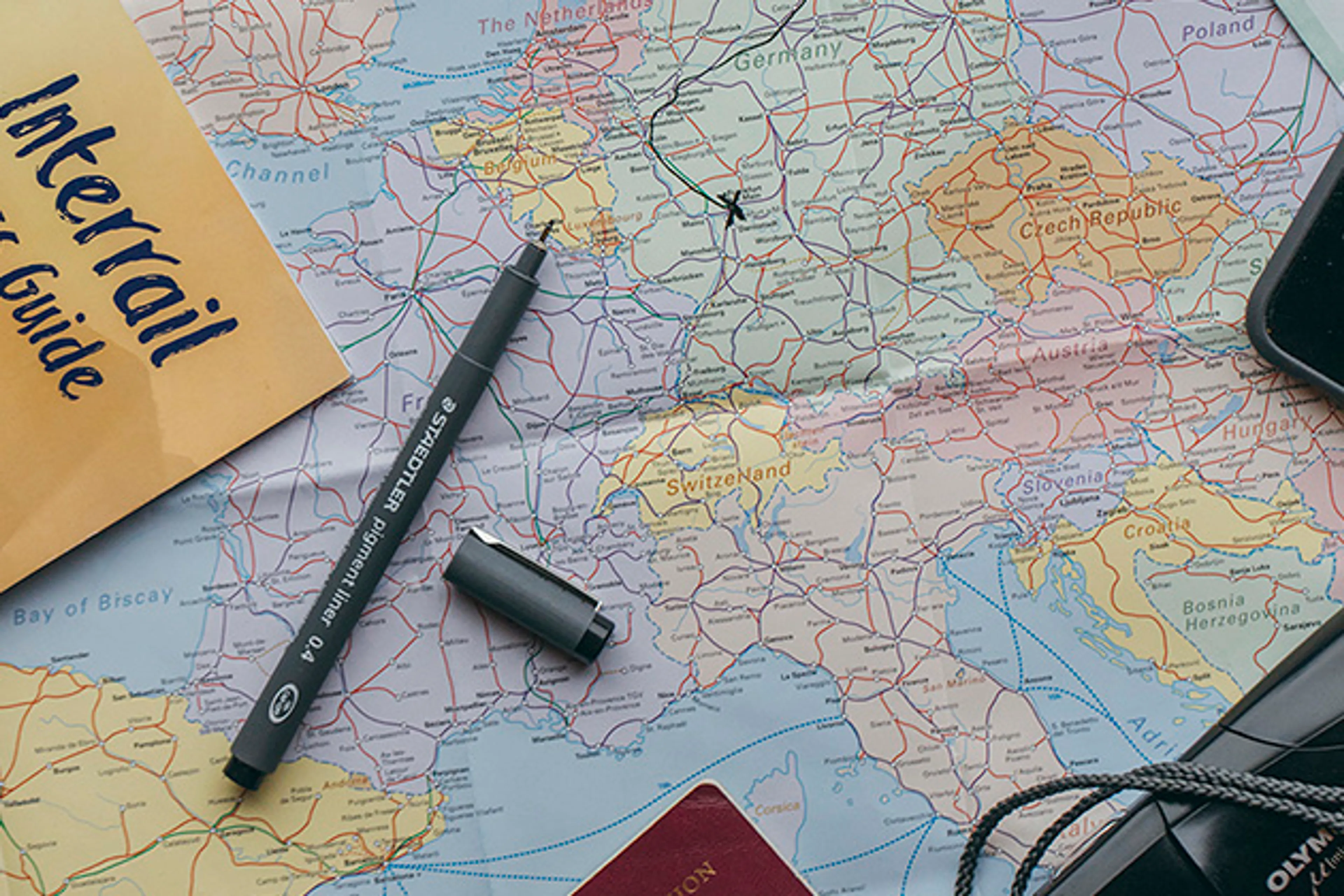
Plan your trip from home
How many days will you be away, and what would you like to experience along the way? If you have the answers to those questions, you have a really solid foundation for a fantastic Interrail trip.
Planning is essential, but remember to leave room for spontaneity – it's typically what leads to the most unforgettable experiences.
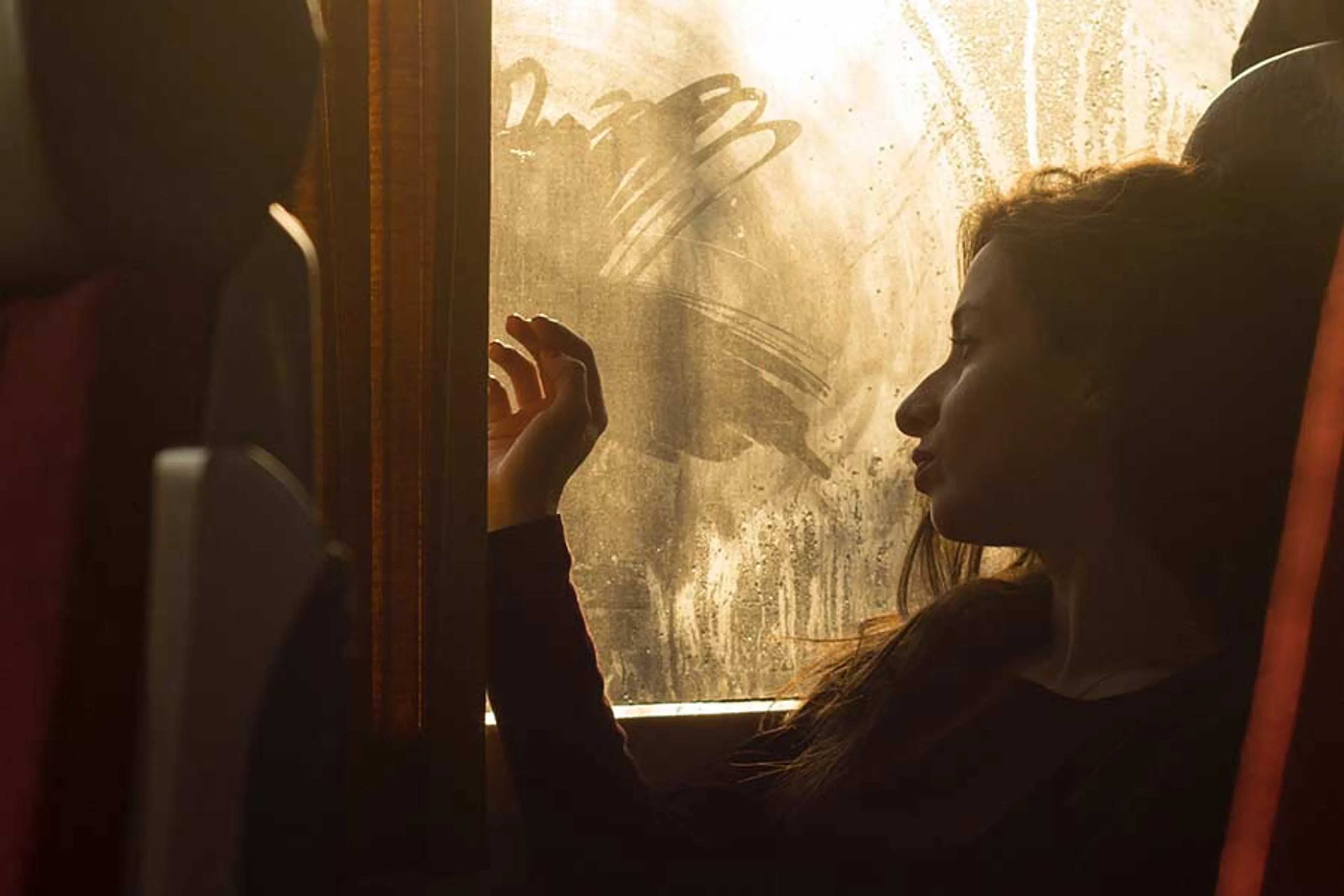
Remember the seat reservations
On some international trains and on many high-speed and night trains, seat reservations are mandatory. On other trains, reservations are optional. Therefore, check the rules for the specific departure before you travel.
The options for making reservations vary from country to country and from train to train. Some reservations can be purchased online through Interrail or the train operator, while others must be purchased at a staffed ticket counter. Check the rules and make your reservation in good time – especially for high-speed and night trains.
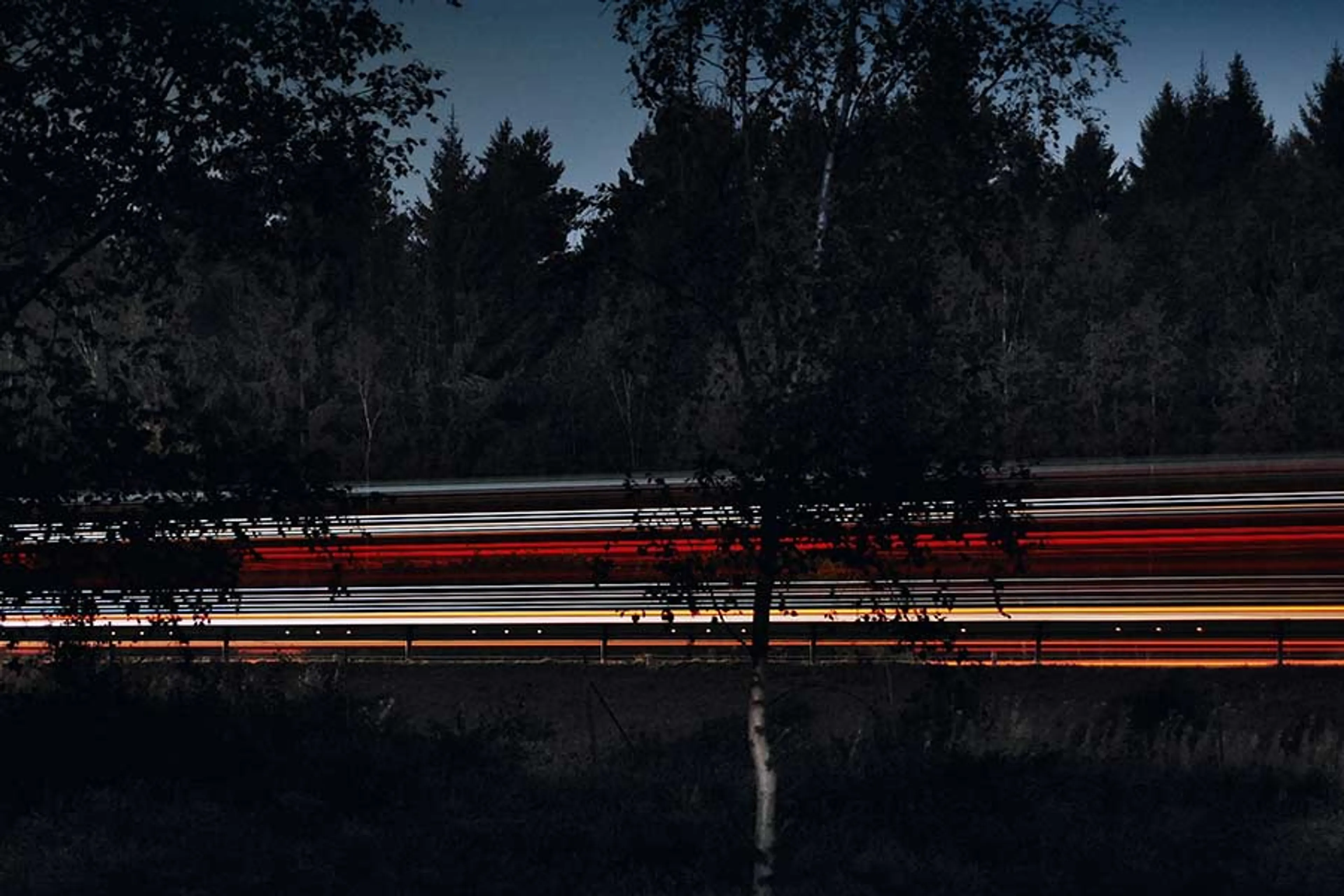
Travel by night train
Night trains can be a practical solution for long distances. You travel while you sleep, and in some cases you can save on a night's accommodation, while also avoiding "stealing" time from your daytime activities.
The departures from Hamburg in particular (to Vienna, Munich or Zurich) are popular.
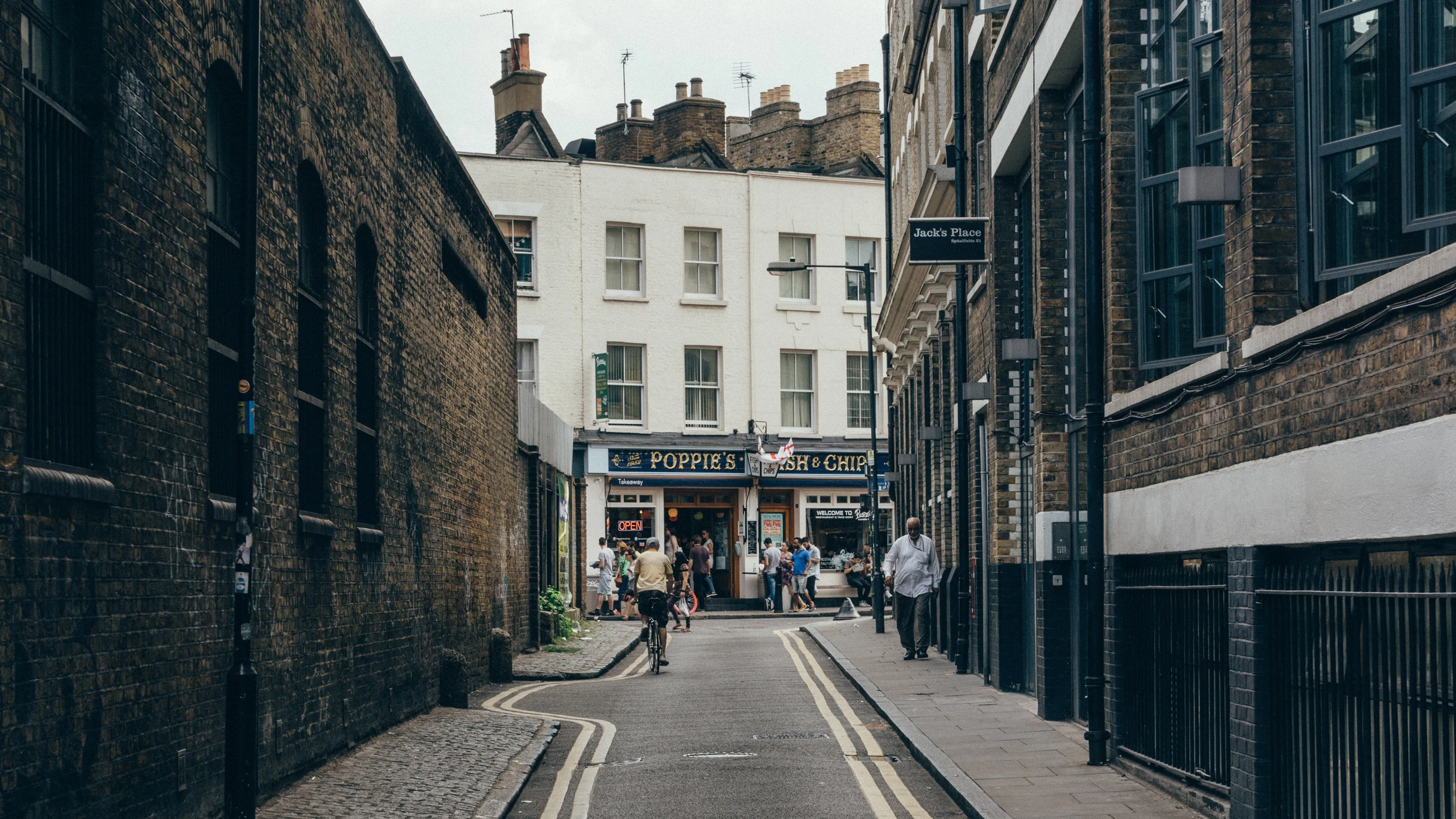
Remember to take som days off
Interrail is synonymous with a world of experiences, but for each individual experience to truly sink in and make a real difference in your life, it requires you to arm yourself with patience.
Don't travel every day. Take your time in a given area, and if it speaks to you, let it get under your skin. That way, you bring home experiences that run deep (and at the same time, you can take comfort in the fact that you don't have to unpack and repack your things every single day).
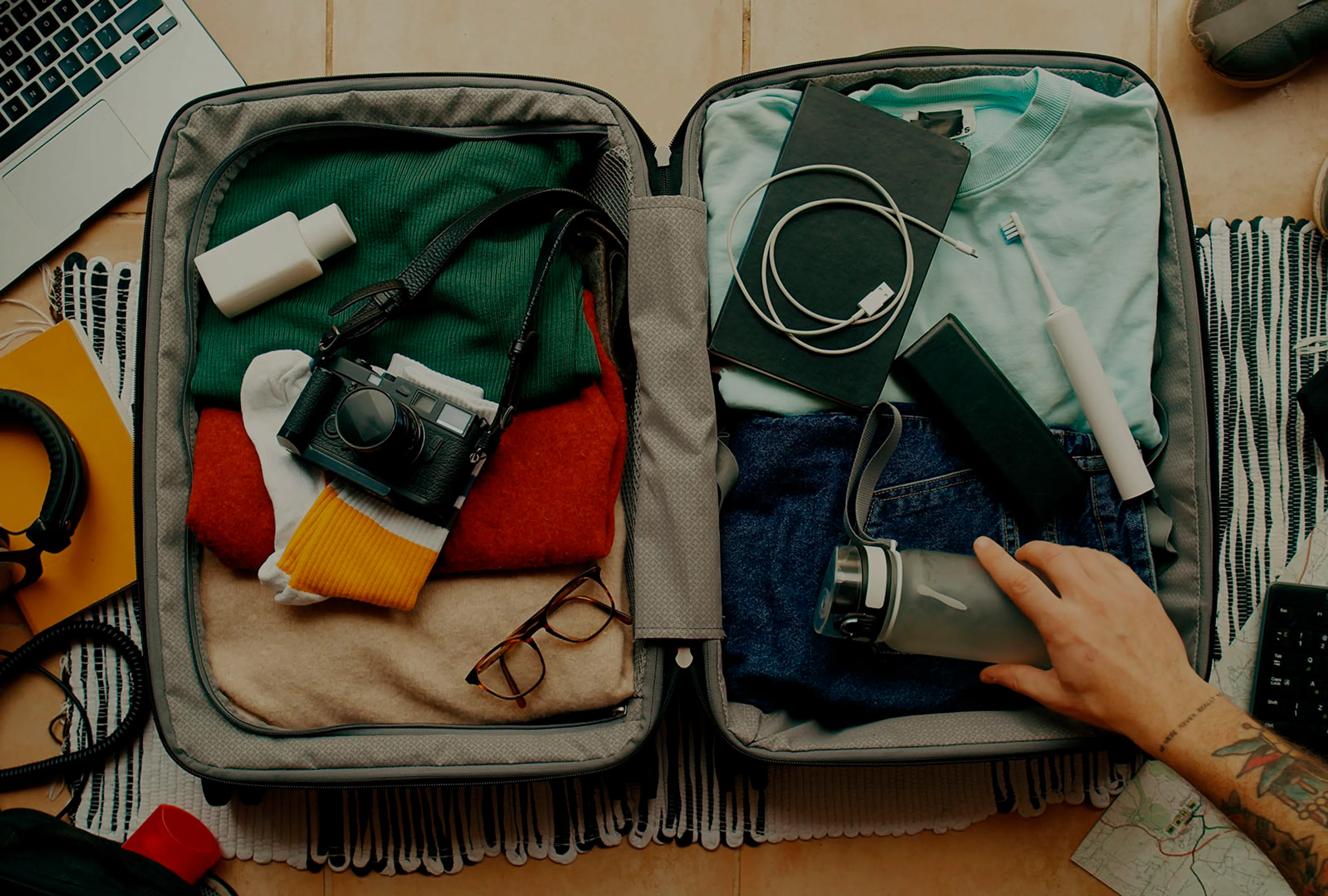
Pack in one backpack - and pack light
A backpack is in every way the ultimate tool for an Interrail trip, where you often have to carry your belongings around. In fact, you will likely end up carrying your things around so much that you will thank yourself for not having brought too much.
Pack and travel as light as humanly possible – and wash your dirty clothes along the way during your trip.
See our packing list
Bring cash – always
Not all European countries use the euro. Among others, Poland, the Czech Republic and Sweden have their own currency. Therefore, research payment options and currency in the countries you plan to visit.
Visa and Mastercard are accepted in many places across Europe, but you may still need cash – especially at smaller shops and in destinations where card payments are not as widespread. Consider bringing two payment cards and storing them separately.
Make the most of all your benefits
As an Interrail traveller, you not only get cheaper train travel. You also have access to a wide range of discounts – including accommodation, tourist attractions and other transport (ferries and private rail companies).
Read about your many options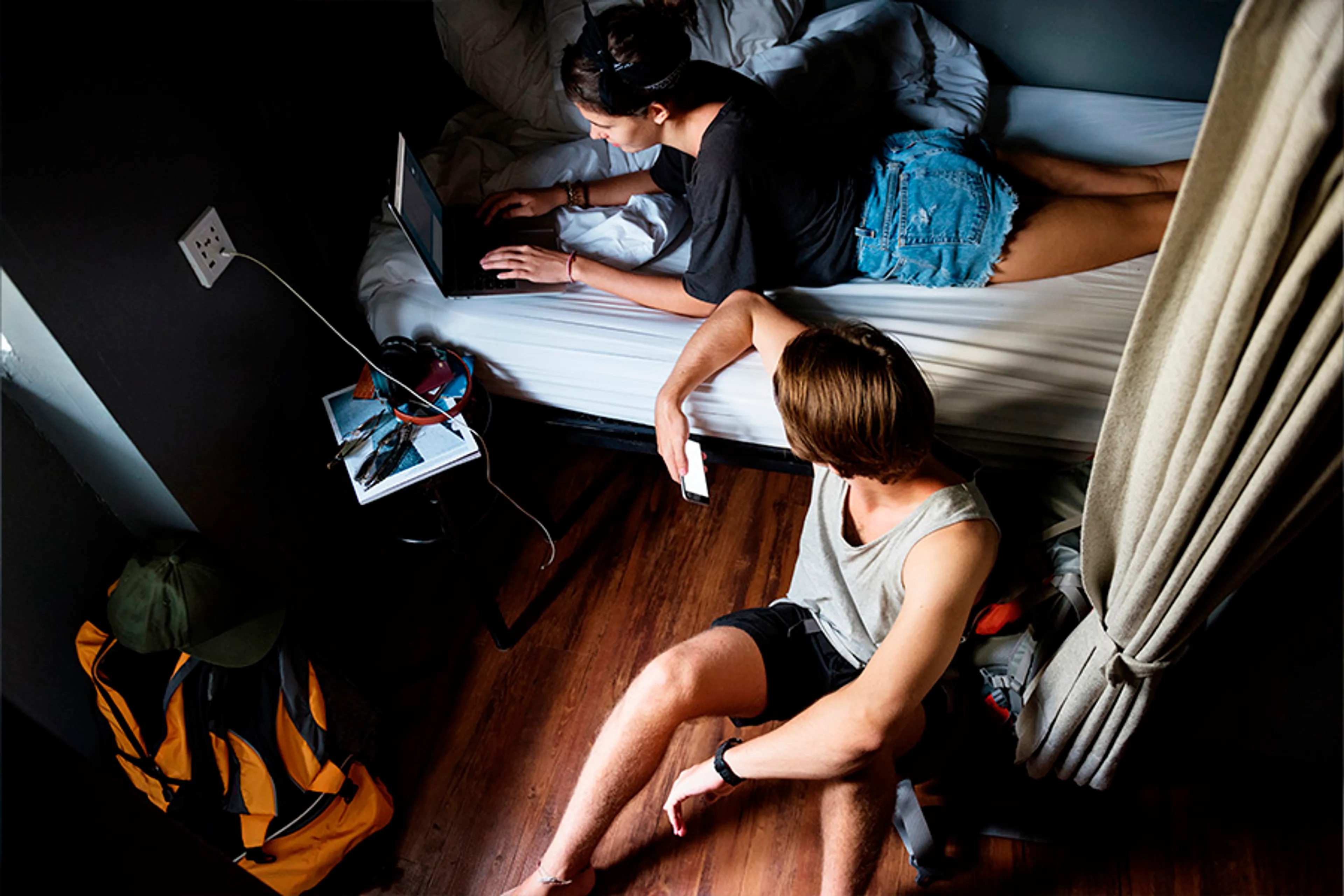
Book accommodation from place to place
Book accommodation before you continue your journey – especially during peak season and at popular destinations, where available rooms can be in high demand.
You can choose from options including hostels, hotels, campsites, and private holiday rentals. What suits you best depends on your budget and the way you prefer to travel.